|
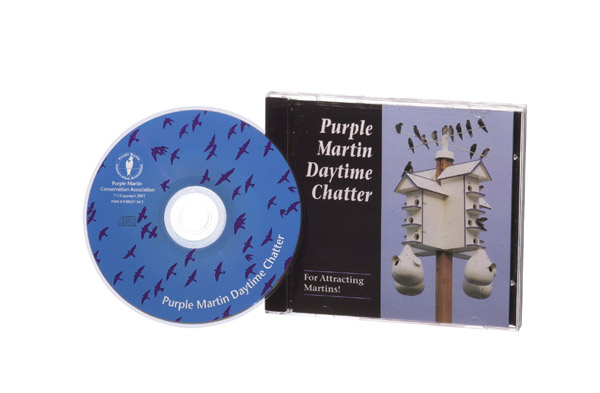
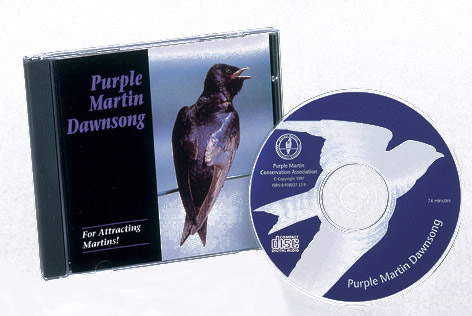
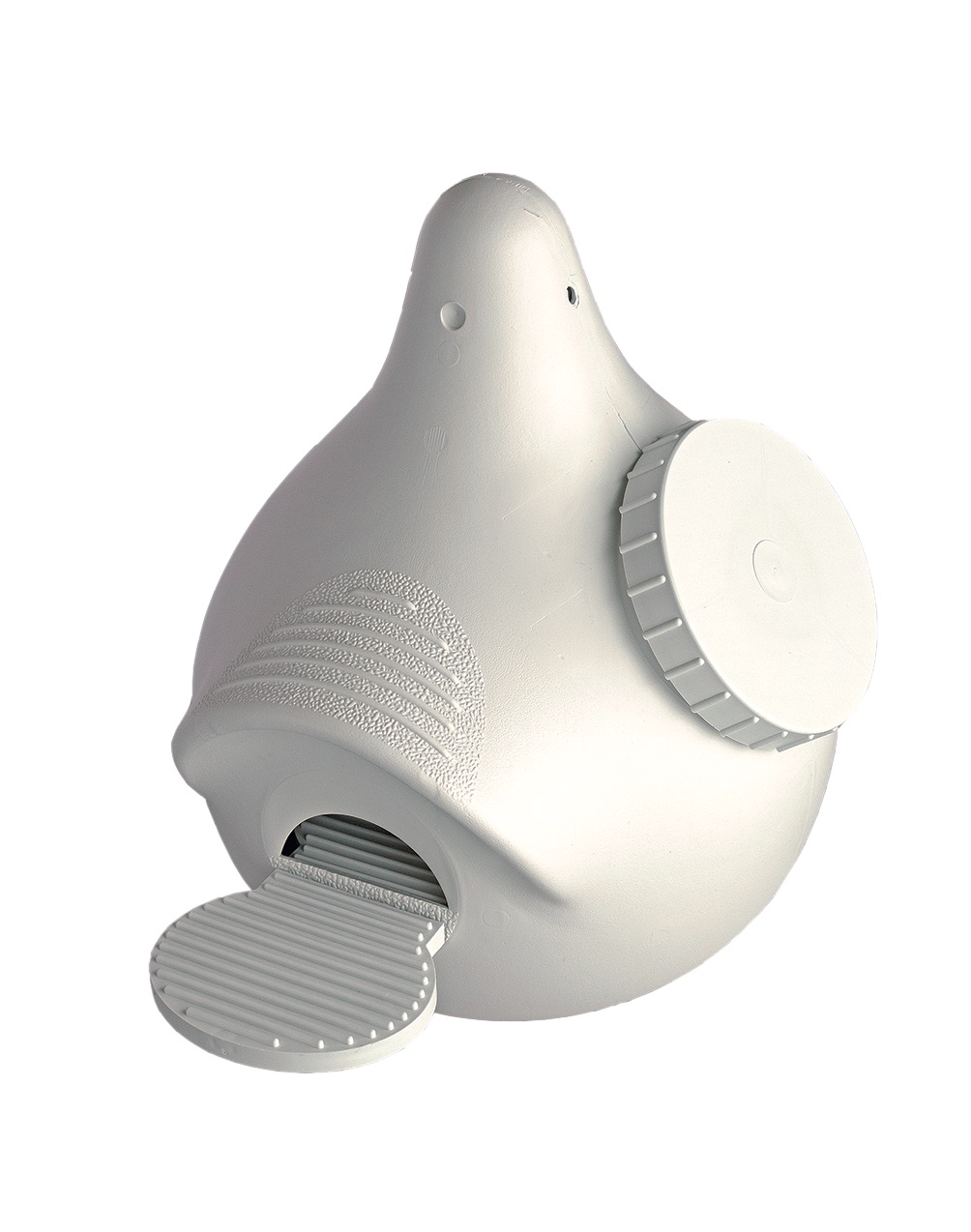
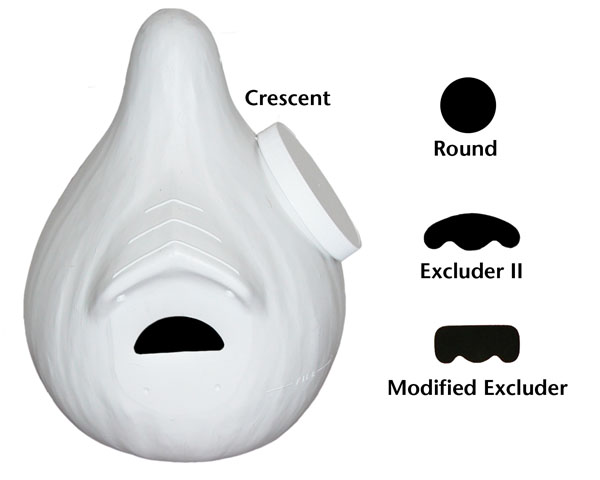
When SHOULD Housing Be Opened at New Sites?From: James R. Hill, III CommentsSince the formation of the PMCA back in 1987, we have advised new hobbyists to wait until 4-6 weeks after the ASY (adult) birds have begun arriving in their area to open their housing. This is because most new colony sites are started by SY (subadult) birds, which don’t begin arriving until 4-6 weeks after the adults do. We know that subadult arrival only lags behind adult arrival by 4-6 weeks in the northern 1/3rd of the continent. The time lag is 6-8 weeks long in the middle 1/3rd of the continent and 8-10 weeks long in the southern 1/3rd. In any event, our old thinking was that only subadult birds colonize new sites, since adults have "site fidelity" and usually return to the sites they successfully bred at the year before. This old advice does not take into account two-year-old (adult) birds that didn’t breed as subadults, OR, birds of any age that had reproductive failure the previous year. Both of these categories of adult-plumaged returning birds will (or might be) looking for new breeding sites, AND will be arriving before subadult birds. Birds that lost their housing because it was removed or destroyed between nesting seasons will also be looking for new sites. Sometimes landlords with optimal habitat may be able to "steal" martins from housing that is in marginal habitat or that is neglected and overrun with starlings and House Sparrows. The old advice on waiting until subadult arrival (to open housing at unoccupied sites) was also based on a perception that most new hobbyists wouldn’t be able to control (or would tire of controlling) House Sparrows and starlings. Learning to be both patient (in waiting to attract martins) and persistent (in controlling undesirable birds) during the lengthy time window that runs from the return of adults, most of which are not looking for new breeding sites, through the period when prospecting subadults would begin arriving, is a skill that not all prospective landlords have mastered. As a result of this lapse in efforts, their martin housing can end up full of aggressive nest-site competitors that drive off timid subadult martins. Most housing today lowers easily and opens up for trapping and control of starlings and House Sparrows. In addition, there are now several kinds of starling-resistant entrance holes widely available, and numerous kinds of traps for sparrows and starlings that we didn’t have 13 years ago. So, the advice the PMCA will now begin to dole out to new, prospective landlords is: Go ahead and open your housing up around the dates adult martins are first scheduled to begin arriving in your area, BUT ONLY IF you are willing to follow through with the practices listed here: Use starling-resistant entrance holes. Be relentless in trapping and/or shooting House Sparrows and starlings. We also recommend use of the dawnsong recording and/or daytime chatter CD. Be prepared ahead of time to deal with native nest-site competitors, too, since Eastern Bluebirds, Tree Swallows, Great Crested Flycatchers and House Wrens may show an interest in your martin houses and gourds. Have boxes and gourds up early for these desirable birds, and if necessary, briefly close martin housing to help "steer" these birds into the appropriate nesting places in your yard. This is a strategy that should maximize any "wannabe" landlord’s chance of attracting martins. And prospective landlords who are not willing to commit to these efforts should reconsider whether or not they should put up martin housing to begin with! You may be able to lure in some adult birds that are looking for a new address, for whatever reasons. Our color banding studies verify that martins do move around quite a bit, switching breeding sites occasionally, especially if they didn’t breed as one-year-olds and/or had nest failure the previous year. A surprising number of subadult breeders do have nest failure, and strike out for new sites as adult-plumaged two-year-olds. James R. Hill, III
|