Martin Hogs, More From the Man Who Coined the Term

From: Dr. Eugene S. Morton, Front Royal, VA
Date: 1/10/02
Time: 3:09:01 PM

Comments

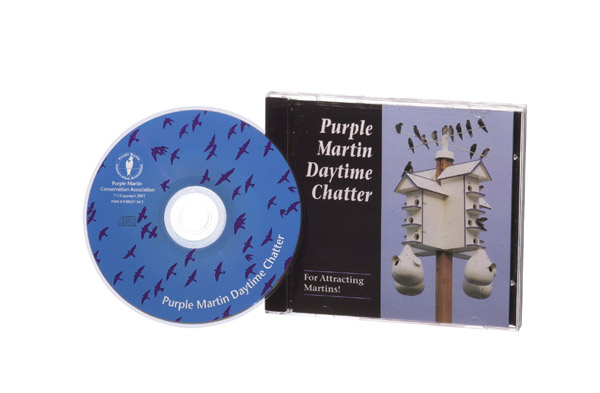
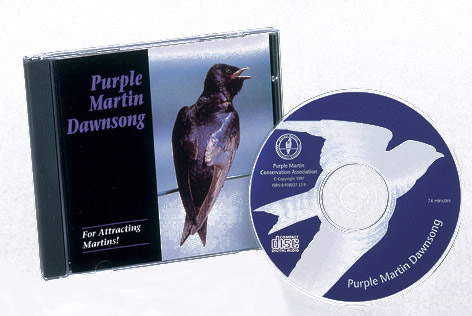
Is there anything more to say about ‘martin hogs’? Well, I hope you will indulge me another posting since I am the guilty party that introduced the concept. The term ‘Martin Hog’ is very complex so please be patient with me. First, adult male martins are Martin Hogs. They dawnsing to attract young females and males to nest in their colony. (That’s why the Dawnsong you play back works to attract them) The reason they do this is that young females prefer to mate with older purple males even though they pair with subbie males. So, by attracting young birds, the older males gain more babies carrying their genes.

The reason young females prefer to copulate with older males is that older males have been tested for their resistance to the martin’s most deadly enemy, a blood parasite called Haemoproteus prognei. This parasite kills all the fledglings that become infected. The strain of migration plus the stress of fighting the blood parasite is just too much for birds just able to feed themselves even when healthy. Because of this mortality, none of the youngsters that do make it to Brazil for their first winter season are infected. This means that none of these youngsters, now in their second year of life (aka subbies), that arrive back at the breeding colonies have been tested for their ability to live with the parasite.

Subbie females paired with subbie males would rather have their babies carrying genes for resistance to the parasite than chance getting "untested" genes from their subbie male mate. Adult males and females have nearly all been infected, survived, and live just fine with a chronic blood infection of Haemoproteus. Their immune systems have the combination of genes that promote the ability to coexist with the parasite. That’s why only 20% of the babies in the nests of SY pairs are fathered by the SY male that owns the nest and feeds the kids. So, adult males attract the youngsters, which are the potential founders of new colonies.

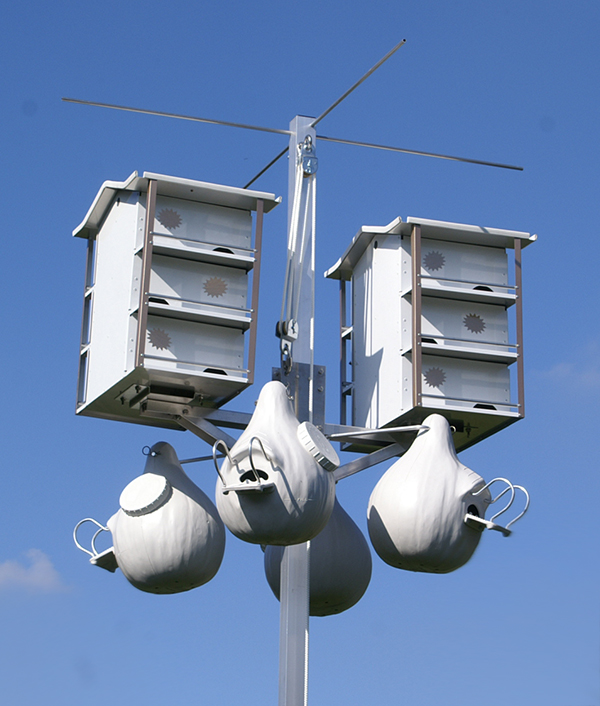
The Second type of ‘Martin Hog’ is a victim of the first kind. In the North, because martin die offs are not uncommon and colonies are far apart, the large numbers of adult male martins in large colonies attract most of the subbies. This makes it very difficult to start new colonies no matter how good the landlord is (would be) at managing the site for martins. In my area of NW Pennsylvania, the martins never recovered from the great die off of 1972 due to a Hurricane that caused rain for most of the month of June. Even the adults perished. Before this, martin colonies were widely scattered but quite common. Now, we have a few large colonies that attract nearly all of the subbies. I have a couple of subbie males each year try to attract mates but to no avail, the females get sucked into the large colonies. It is really quite sad, but curable. If the landlords of large colonies would not keep adding housing, or even reduce housing, for a year or two, many of the wanabes would be rewarded with nesting birds. Even more important, more colonies mean more secure martin populations AND more martin enthusiasts rather than fewer and fewer. Anyone want to try the grand experiment? Best wishes to all you caring folks.

Dr. Eugene S. Morton, Smithsonian Institution

Back to Archives